


“Books are a uniquely portable magic.”
Stephen King, 'On Writing: A Memoir of the Craft'
Everybody knows that there is a special language that you find in books.
The special language and vocabulary students encounter when they read books - whether it is fiction or non-fiction - is more specialist than that of daily talk. Not only that, it is brilliant for brain-building, whether students are young or old.
Why are books so beneficial? Sentences are longer, words and phrases are more sophisticated, and ideas and concepts are more elaborate. It aids focus, thinking, and language building.
For these reasons alone, young children who are read to daily start school with more success and the gap between their peers who have not experienced such regular reading persists.
But as students move through school, a broad and deep curriculum can push out book reading, or being immersed in a full text. Extracts come to dominate, or PowerPoint slides shrink the complexity for students into bitesize ideas and language.
An extracts over books approach may work as a short term fix for struggling readers, or as a time saver, but it stores up long-term issues and just as much time is lost trying to support students who struggle later.
There is of course a place for concise and precise explanations to make learning happen for students of all ages. Yet, there is a necessary place for more reading in the curriculum wherever it is possible too.
Reading habits outside the school gates are cratering. Exposure to the magic of books is becoming rarer. Closed libraries, open access to endless TikTok videos, and crammed curricula, mean that exposure to extended reading can be pushed to the side of the school day.
Reading clusters that help build language
It can be hard for teachers to support reading development when their students have significant gaps in their knowledge. But if we want students to acquire a deep knowledge of our curriculum, reading widely must have a central place.
For example, if children in primary school are learning about volcanoes, they need clear and explicit explanations, but repeated reading, clustered around the topic can really help build their knowledge and vocabulary in a rich, effective way that endures.
If we want primary age students to learn and use words like lava, eruption, crater, tremors and dormant, they need repeated exposure of this language in context. We could provide shared book reading of a core text, such as 'The Explosive history of Volcanoes', but all the better if we can expose them to reading of the same topic, with rich connections being made through meaningful repetition.
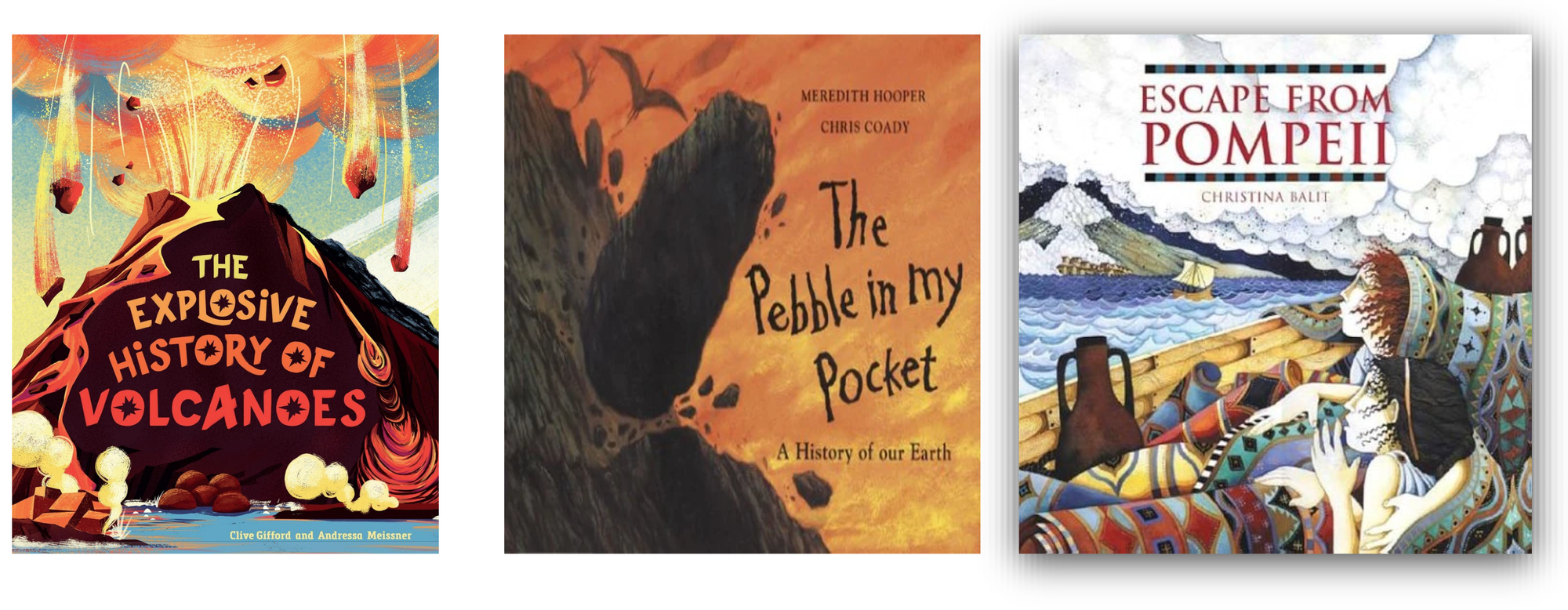
Students, both young and old, help develop their understanding and build their background more systematically by learning in categories.
Repeated exposure to sophisticated vocabulary can be rooted in compelling stories, where repetition is not deadening but illuminating.
“Repetition is the mother of learning.”
('Repetitio est mater studiorum.)
Quintilian
In secondary school, it can feel like too little curriculum time is available for such reading that develops language and builds background knowledge. But in a world where reading habits are cratering, providing such reading opportunities is essential.
In some cases, reading an extract can have its place, but ideally alongside a wider diet of rich reading. Take for example Key Stage 3 and learning about various art techniques and periods in art history.
In my home city of York, there is currently an exhibition based around the iconic Japanese woodcut print of 'The Great Wave' by Hokusai. Of course, in art, there is a wealth of paintings, prints and other visuals to access, but learning about art history opens up deep understanding of symbolism, people, places, techniques, and art terminology.
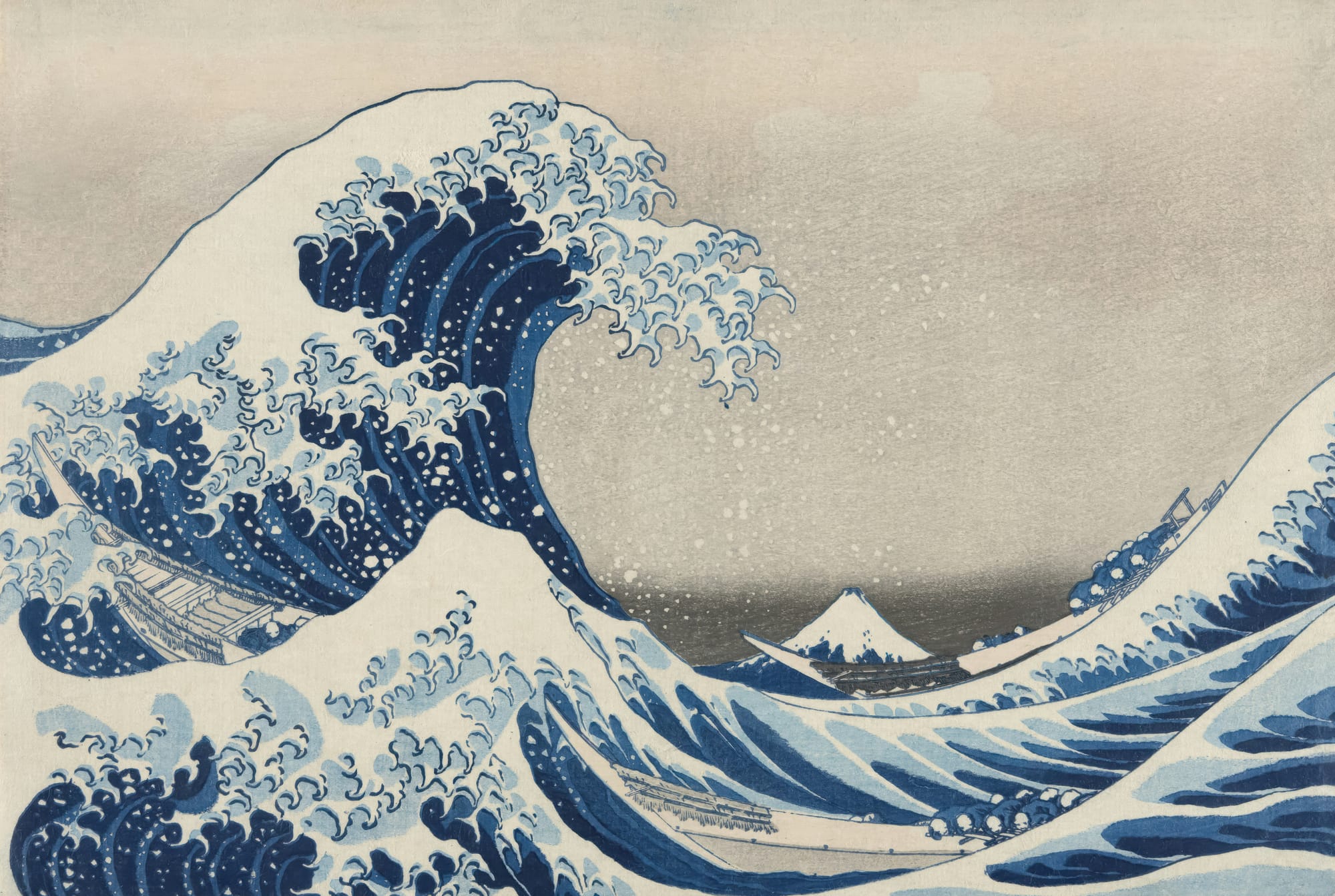
Happily, Hokusai alone has an industry of children's books dedicated to his print work. By reading a short, free website on Smarthistory on the painting (see HERE.) offers a useful summary of the Japanese print tradition. Terminology like 'pigment', 'polychrome', 'linear perspective', 'foreground', 'background', and the Japanese print tradition can be introduced, or consolidated, and explored within manageable curriculum time.
Not only that, but sustained exposure to general academic language, such as 'influence', 'contrast', 'symbolism', 'dynamic', and 'atmosphere', helps all students build their language in a cumulative but impactful way over time.
The rapid rise of AI to support teacher planning can prove helpful too. Teachers can quickly create texts about a given topic. They can specifically target specialist language, key ideas, along with the exact length of the text. The opportunities for do-it-yourself reading clusters become a quick and easy opportunity.
Of course, even if AI is part of the solution to building our students' language, we should aim to privilege the portable magic of real books wherever possible.
We simply cannot complain that students don't have the tools for 'critical thinking' or academic reading if we do not provide a sustained diet of brain building reading. It make take up more curriculum time, or planning, in the short-term but the cumulative impact can add up and make a transformative difference.
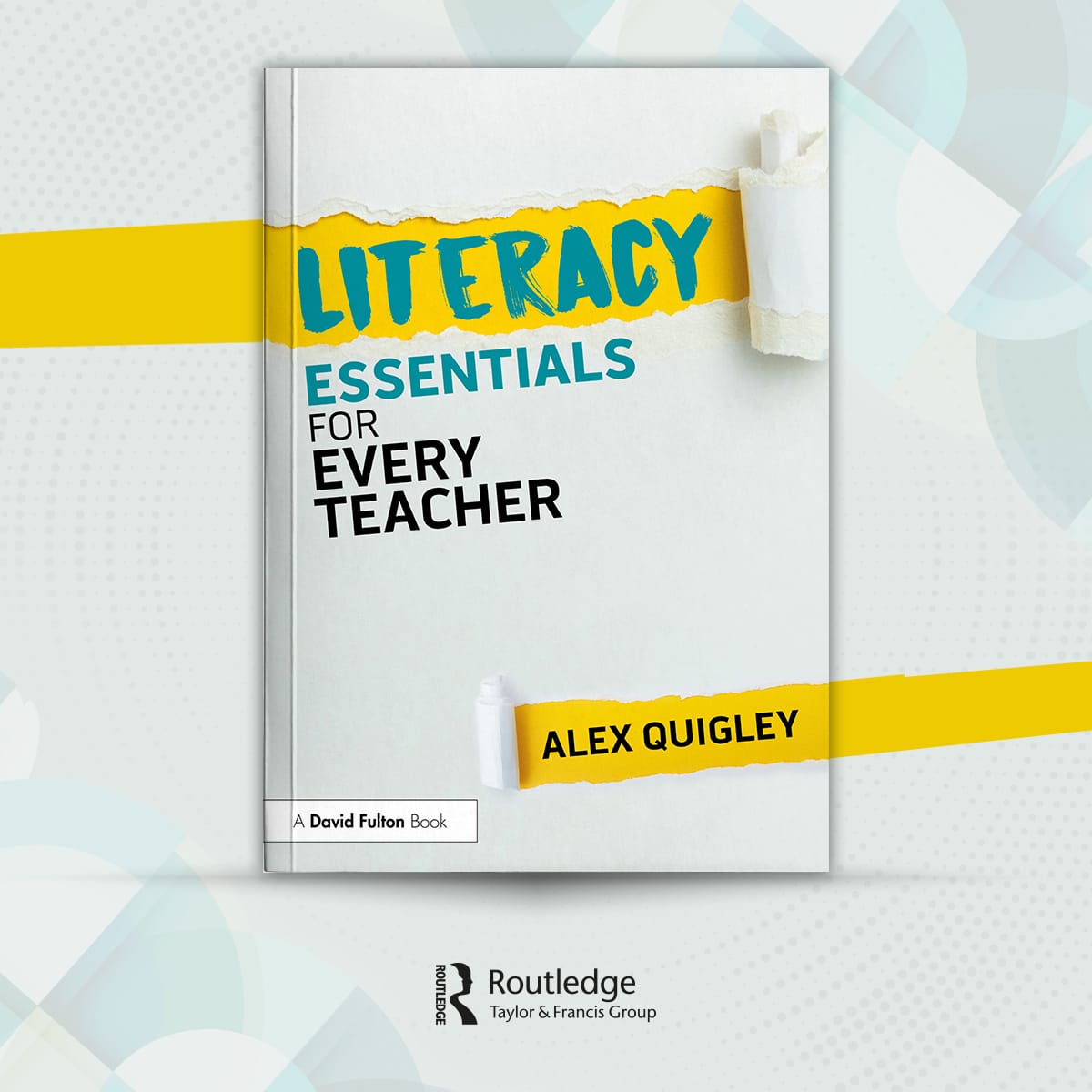
If you want lots of ideas about how to bring the essentials of literacy to life, then grab a copy of my new bestselling book, 'Literacy Essentials for Every Teacher' - see HERE.
I've added new, free resources to go with the book, HERE.

Comments